New pressure verification tool improves pipeline safety
Date:
Publication:
Pacific Gas and Electric Company (PG&E) has a massive natural gas distribution system, spanning approximately 50,000 mi of pipeline across northern and central California. The utility owns, operates and maintains gas infrastructure that includes larger transmission pipelines, distribution mains and service lines operating at various pressures. This system serves around 4.5-MM customers in a 70,000-square-mile service area stretching from Eureka to Bakersfield.
One longstanding mapping challenge for PG&E is determining whether a steel pipeline has been abandoned or contains an inserted polyethylene (PE) line, with the original steel pipe serving as a conduit. PE insertion has been a common industry practice since the late 1960s because of its efficiency, durability and ease of installation. However, when these installations are not properly documented, they can create a safety hazard during maintenance if crews are unaware of the PE line inside the steel pipe.
Jim Pacheco, a Pressure Control Specialist with 37 years of experience at PG&E, explained the core problem: “We needed a better method to physically verify pipeline conditions before welding. Past incidents using old technology had shown the risks of welding onto steel with PE inside, which can melt the plastic and cause dangerous leaks.”
In the worst case, a leak in an inserted PE pipeline can lead to gas migration and an explosion, which is why PG&E requires field crews to verify whether a steel pipeline is abandoned, under pressure or has inserted PE before performing any welding operations for maintenance, upgrades or expansion.
The limitations of previous methods
Prior to the pressure verification tool (PVT), PG&E used different methods to verify pipeline conditions. For pipes with a diameter of 6 in. and under, crews used a steel mechanical saddle with a punch-type perforator. If pressure was verified, the steel saddle would be permanently welded to the main, a process that involved several difficult welds with standard industry saddle designs (Fig. 1).
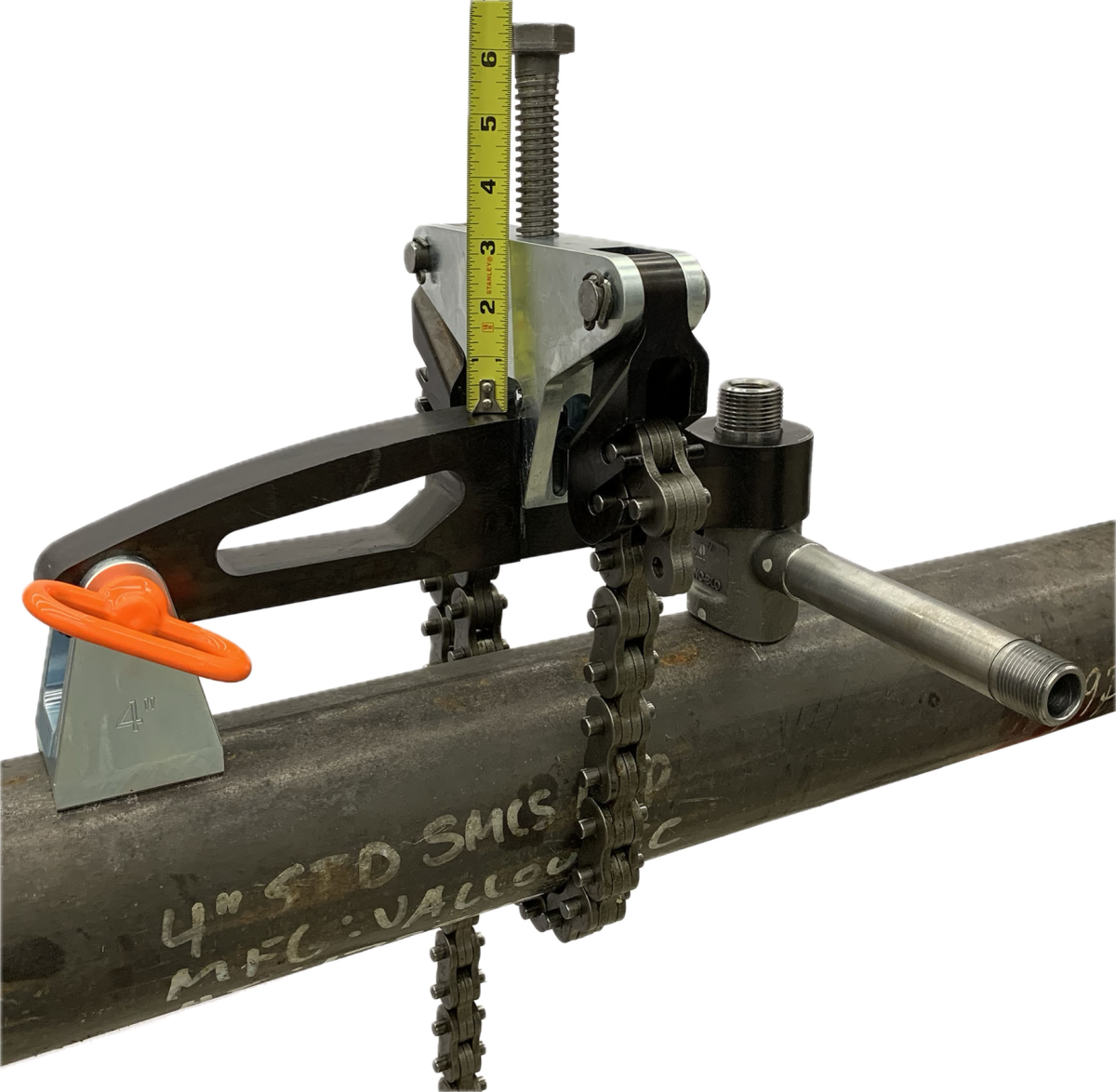
Fig. 1. The PVTᵃ can be permanently welded to the main, once the pressure, content and insertion status are confirmed.
Other options included exposing existing fittings or X-ray inspection of pipelines, but these methods have significant limitations. Existing tools were restricted to 60 psi ratings and 6-in. pipe diameters, with wall thickness limited to 280 in. These options could be difficult to weld and costly. Additionally, PG&E required an option with a higher pressure rating that could also be used for confirming the operational status of transmission lines. These constraints left PG&E seeking better options for verifying its extensive pipeline system (Fig. 2).
“Our pipelines range from ½ in. to 42 in. in diameter, with the most common sizes being 2 in.–32 in. These limitations were considerable,” said Pacheco. PG&E needed a more efficient and practical method that could be standardized across all steel mains, regardless of size or pressure.
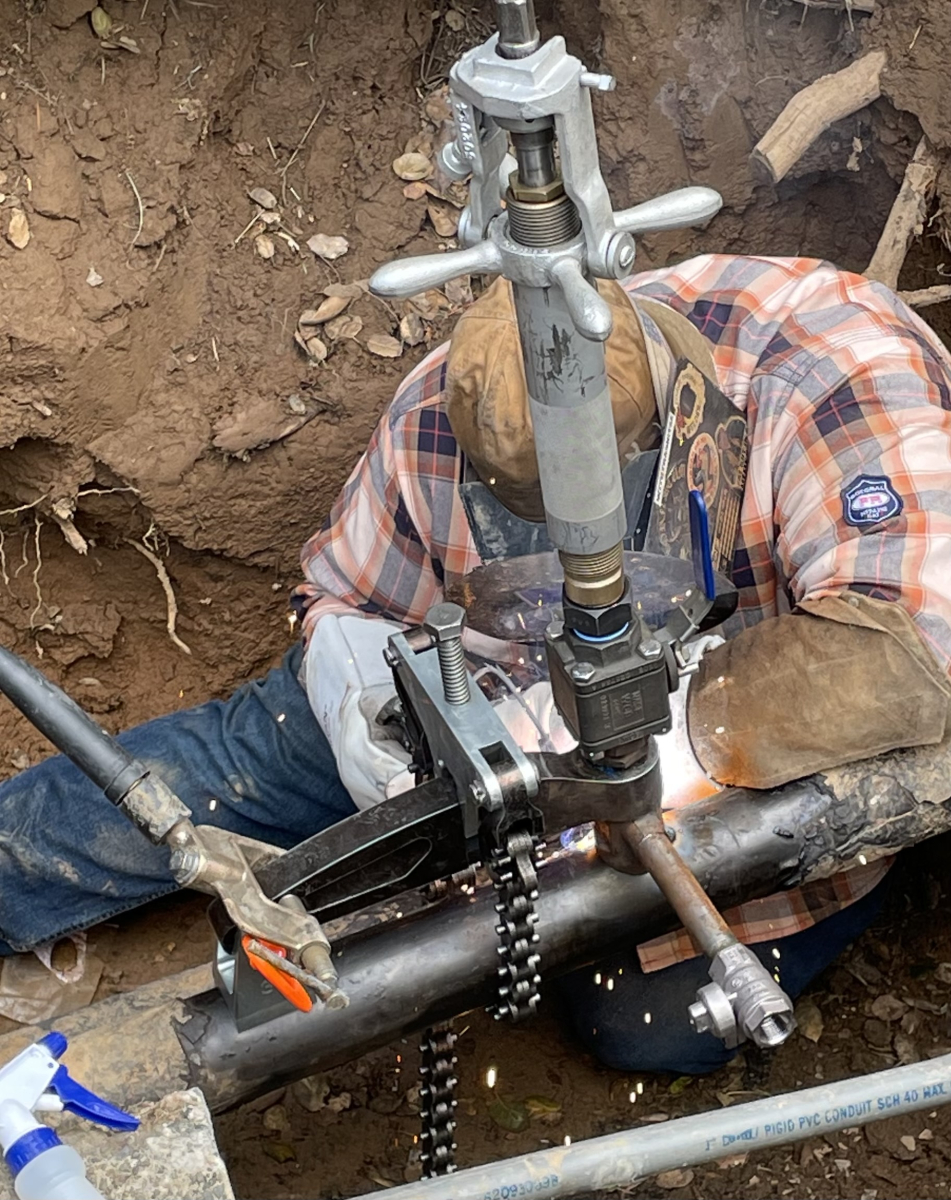
Fig. 2. Welding the PVT to the gas main.
A collaborative solution
PG&E approached the author’s company to develop a device to verify pipeline pressure before welding operations.
“It’s unusual for a utility and a manufacturer to work so cohesively in an industry where equipment often remains unchanged for decades,” said Pacheco. “He attributes this to the team’s decades of experience in the field and their passion for the trade, which has resulted in a tool tailored to real-world field needs.”
The original scope for the PVT system was to develop a steel pipeline verification process using one tool and one style of fitting for steel pipeline diameters from 2 in. through 12 in., with larger sizes to follow. The specifications were demanding. The fitting needed to be mechanically attached to the pipeline during tapping and capable of being permanently welded following pressure identification.
It had to operate up to 900 psi during tapping operations while maintaining a 1,480 psi fitting rating after permanent welding installation. Additionally, all tapping, plugging, inserting and extracting operations needed to utilize existing company equipment, procedures and operator qualifications.
“After the successful launch of the initial PVT system, we asked Mueller to develop larger tools and fittings for pipes ranging from 14 in. to 32 in.,” said Pacheco. “Now we have an identical solution to be used on a large spectrum of our pipeline infrastructure.”
How the pressure verification tool works
The PVT operates through a carefully controlled process, allowing safe physical pressure verification on steel pipelines that may contain inserted PE live gas lines. It utilizes controlled-depth features in the equipment to enable tapping into the main for verification.
Once tapped, technicians can check for pressure to confirm if the line is live or deactivated. If deactivated, they can inspect the inside of the pipe by removing the PVT tool to see whether plastic has been inserted. This verification step ensures that welding will not melt plastic and cause catastrophic failures.
At the decision point, if the line is live, the fitting remains in place, the gas is safely stopped using existing plugging equipment and the fitting can then be welded permanently while the restraining system holds it securely. After welding, the restraining system is removed, leaving a permanent, leak-free fitting on the pipeline. If the line is not live, the tool and fitting can be removed and the pipeline section modified as needed.
Real-world impact and adoption
The advantages of the PVT are substantial. The PVT fittings and toolkits work on pipes ranging from 2 in.–32 in. in diameter, with no wall-thickness restrictions, covering a substantial percentage of PG&E’s system. Welding is simpler compared to older fittings, and the process remains consistent regardless of pipe size. It is also less expensive than previous options, especially for transmission lines.
PG&E’s initial order of 100 kits was followed by smaller orders, and the tools are now in use across its system.
“The PVT is used daily somewhere within our vast territory,” said Pacheco. “Not all operators like to try new things, but once they try this tool, the feedback is overwhelmingly positive.”
This solution embodies PG&E’s “trust but verify” approach: even if documentation suggests a line is safe, the PVT provides physical confirmation, eliminating uncertainty and ensuring 100% safety verification.
“We think it’s going to be a paradigm shift in how gas utilities approach pipeline safety,” concluded Pacheco.
Click here to read the article on Pipeline & Gas Journal